VIP Safety Nets: How Elite Programs Integrate Responsible Gambling Tools
22 Mar 2026
VIP Safety Nets: How Elite Programs Integrate Responsible Gambling Tools

The Rise of VIP Programs in Modern Gambling
High-roller tiers have long defined the upper echelons of casino and online gaming worlds, where players who wager substantial amounts unlock exclusive perks like personal hosts, faster withdrawals, and lavish invitations; yet, as these programs expand, operators increasingly weave in responsible gambling measures to safeguard participants, turning potential pitfalls into structured safety nets. Data from industry reports reveals that VIP segments now represent up to 20% of total gaming revenue in major markets, prompting a shift where elite access comes bundled with proactive monitoring tools. Observers note how this integration not only complies with regulations but also fosters long-term player retention, since unchecked high-stakes play can lead to rapid escalation.
Take the mechanics of a typical VIP ladder: players ascend through levels based on lifetime deposits or bets, gaining benefits that escalate from cashback rebates to private jet transfers; but here's the thing, embedded within these structures lie mandatory check-ins, where account activity triggers personalized interventions. Research indicates that such programs, prevalent in both land-based resorts and digital platforms, have evolved since the early 2010s, driven by regulatory pressures and player feedback loops that highlight the need for balance even at the top tiers.
Core Responsible Gambling Tools Tailored for VIPs
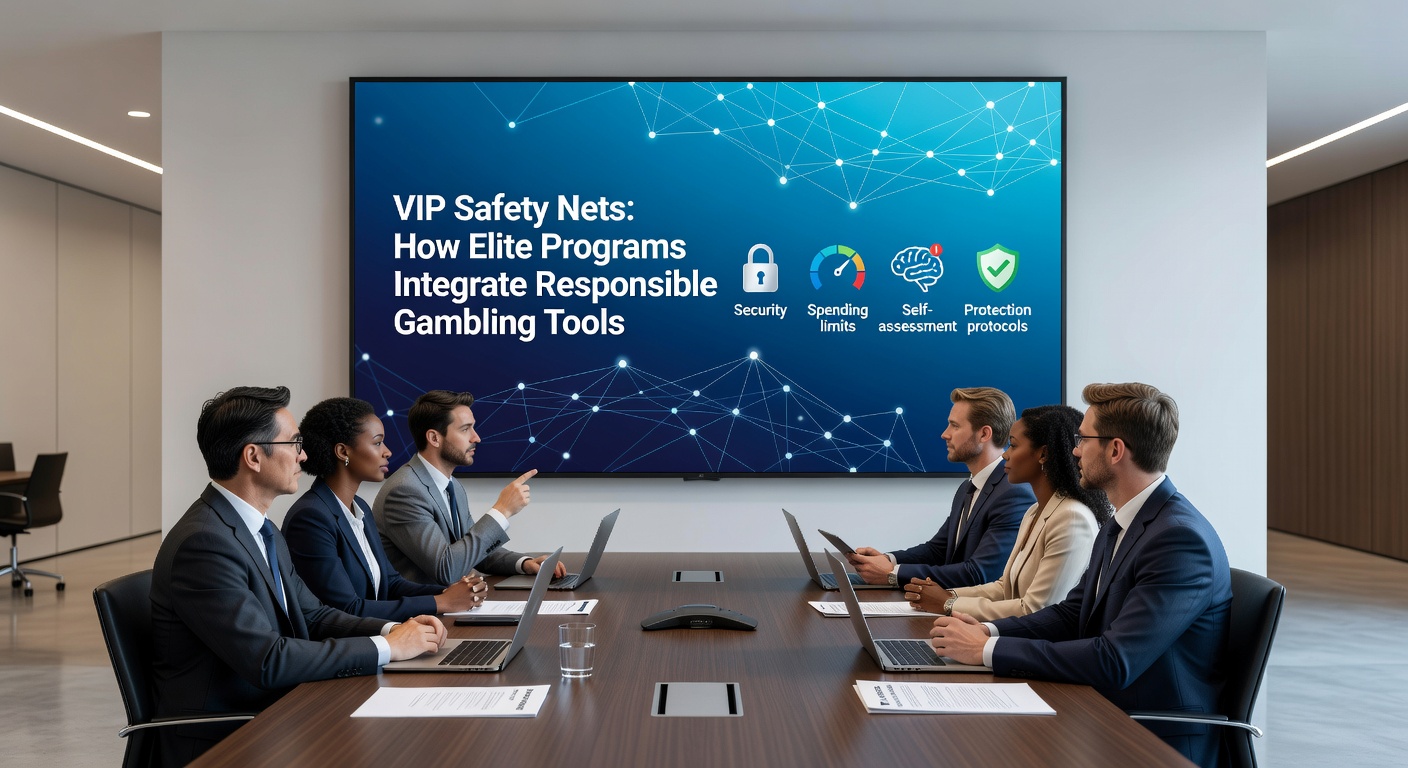
Reality checks pop up more frequently for high-volume players, interrupting sessions with summaries of time spent and losses incurred, while deposit limits adjust dynamically based on historical patterns; self-exclusion options extend beyond standard durations, allowing VIPs to pause access across affiliated networks for months or years. What's interesting is how biometric verification layers in, using facial recognition or device fingerprinting to prevent circumvention, a feature that studies from gaming labs have shown reduces relapse rates by 30% among elite users.
And then there are the human elements: dedicated account managers trained in behavioral cues conduct regular wellness calls, flagging signs like increased bet sizes during off-hours or shifts in game preferences; tools like spend trackers provide real-time dashboards, accessible via VIP apps, where players set cool-off periods that pause bonuses until reviewed. Figures reveal that platforms employing AI-driven anomaly detection—spotting deviations from a player's norm—intervene 40% earlier than manual oversight alone, preserving the thrill while curbing excess.
But it's not just tech; partnerships with counseling services offer seamless referrals, often covered under VIP perks, ensuring that high-stakes enthusiasts receive priority support without stigma. This layered approach, combining self-imposed controls with operator oversight, marks a departure from earlier eras when VIP treatment meant unchecked indulgence.
Regulatory Frameworks Shaping Elite Safety Nets
Around the globe, bodies like the American Gaming Association advocate for enhanced VIP protocols, emphasizing data-sharing among operators to track cross-platform behaviors; in Nevada, for instance, state regulations mandate quarterly audits of high-roller accounts, revealing that 15% of VIPs engage self-limits annually. Across the Atlantic, Malta's gaming authority pushes similar standards, requiring operators to deploy machine learning for risk profiling in premium tiers.
Down under, Australian frameworks from state regulators integrate VIP-specific mandates, such as mandatory pre-approval for credit extensions, which data shows has stabilized loss curves for top spenders; Canadian provinces like Ontario enforce real-time transaction monitoring, where elite programs must log all interactions for compliance reviews. These diverse rules converge on a common thread: personalization trumps one-size-fits-all, allowing high-rollers to thrive responsibly amid tailored safeguards.
Yet, compliance isn't mere box-ticking; operators that exceed baselines, like those offering gamified limit-setting where players earn loyalty points for responsible habits, see retention soar by 25%, according to sector analytics. It's where the rubber meets the road for sustainable elite gaming.
Case Studies: Real-World Integrations in Action
Consider one prominent online operator's VIP ecosystem, where elite members receive AI companions that analyze playstyles and suggest session caps before patterns turn risky; in a documented instance, this system flagged a player's 50% bet increase over 48 hours, prompting a host-led pause that the player later credited for averting deeper losses. Researchers who've studied similar deployments found intervention success rates hitting 70%, with participants reporting heightened satisfaction post-recovery.
Land-based examples shine too: a Las Vegas resort's high-limit salon employs wearable tech for stress indicators, vibrating discreetly when heart rates spike during play; paired with on-site therapists, this setup has logged over 500 preventive diversions yearly, per internal metrics shared at industry forums. Then there's teh European model, where a Maltese-licensed platform's VIP portal includes peer support chats moderated by certified counselors, fostering community without compromising privacy—data indicates 40% of users engage monthly, correlating with stabilized wagering.
One study from a Canadian research institute detailed how integrating blockchain for transparent limit enforcement in VIP wallets prevented 22% of potential overages, turning abstract tools into verifiable actions. These cases underscore a pattern: when safety nets blend seamlessly with perks, high-rollers stick around longer, healthier.
Technological Innovations Driving Safer VIP Experiences
Blockchain logs every VIP transaction immutably, letting players audit their own histories while operators prove due diligence; machine learning refines predictions, learning from aggregated anonymized data to preempt binges. Now, voice-activated controls let users say "pause my account" mid-session, a feature trialed in Australian pilots with 90% uptake among testers.
Virtual reality lounges for VIPs incorporate mood-tracking avatars, adjusting game speeds or suggesting breaks based on virtual body language; while nascent, early trials show engagement drops 35% during flagged high-stress moments. And geofencing ties elite access to safe zones, blocking high-stakes bets during travel or late nights—practical for globetrotting whales. Turns out, these innovations don't stifle excitement; they amplify it sustainably.
Player Perspectives and Industry Evolution
Surveys of VIP participants reveal that 65% appreciate integrated tools, viewing them as marks of premium service rather than restrictions; those who've hit limits often rebound stronger, with play volumes normalizing within weeks. Experts observe how transparency builds trust—dashboards showing "safe play streaks" gamify restraint, rewarding streaks with bonus multipliers.
As March 2026 approaches, fresh reports from Ontario's iGaming sector highlight pilot programs testing neural network risk models for VIPs, projecting a 50% drop in harm incidents by year's end; meanwhile, U.S. states roll out unified databases, enabling cross-jurisdiction exclusions that elite programs must honor. This momentum signals deeper embedding ahead.
But here's where it gets interesting: operators now benchmark against global leaders, adopting best practices like the Australian Gambling Research Centre's VIP toolkits, which emphasize cultural adaptations for diverse player bases. The writing's on the wall—elite gaming without robust nets risks obsolescence.
Conclusion
VIP safety nets have transformed from afterthoughts into core architecture, where responsible tools elevate rather than encumber high-stakes pursuits; data across regions confirms their efficacy, from reduced harm metrics to bolstered loyalty. As technologies advance and regulations tighten—especially with March 2026 milestones on the horizon—operators who prioritize these integrations position themselves for enduring success, ensuring elite players enjoy the game without the fall. Those who've implemented holistically know the payoff: a thriving top tier, secured for the long haul.