26 Jun 2026
Portable Devices Blend Live Athletic Metrics with Probabilistic Features and Tiered Incentive Designs
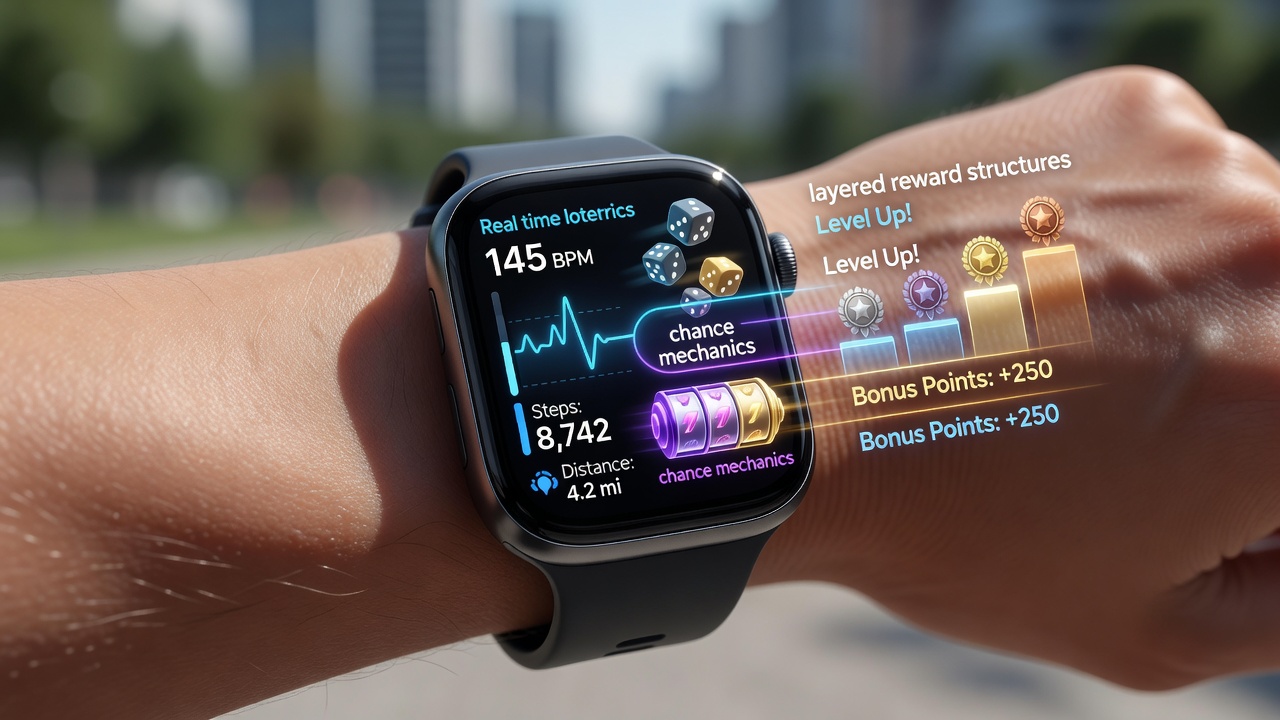
Portable technology has advanced to the point where smartphones and wearable sensors capture continuous streams of athletic performance information including heart rate variability, GPS-tracked movement patterns, and muscle engagement signals while simultaneously feeding those inputs into systems that incorporate random outcome generators and multi-stage reward progressions. Researchers at institutions across North America and Europe have documented how these integrations occur through dedicated mobile applications that process biometric feeds in real time and apply algorithmic chance elements to determine variable bonuses or unlock sequences.
Data Capture Mechanisms in Modern Wearables
Devices from multiple manufacturers collect raw athletic data at high frequency intervals and transmit it to cloud-based platforms where machine learning models interpret patterns such as stride efficiency or recovery rates. These platforms then route the interpreted metrics into game-like modules where chance mechanics select from predefined outcome pools to award points or temporary boosts. According to findings from a 2025 study conducted at the University of Toronto's Faculty of Kinesiology, athletes using such systems recorded average daily engagement increases of 23 percent when chance-based rewards were layered atop standard performance tracking.
Chance Mechanics Applied to Performance Feedback
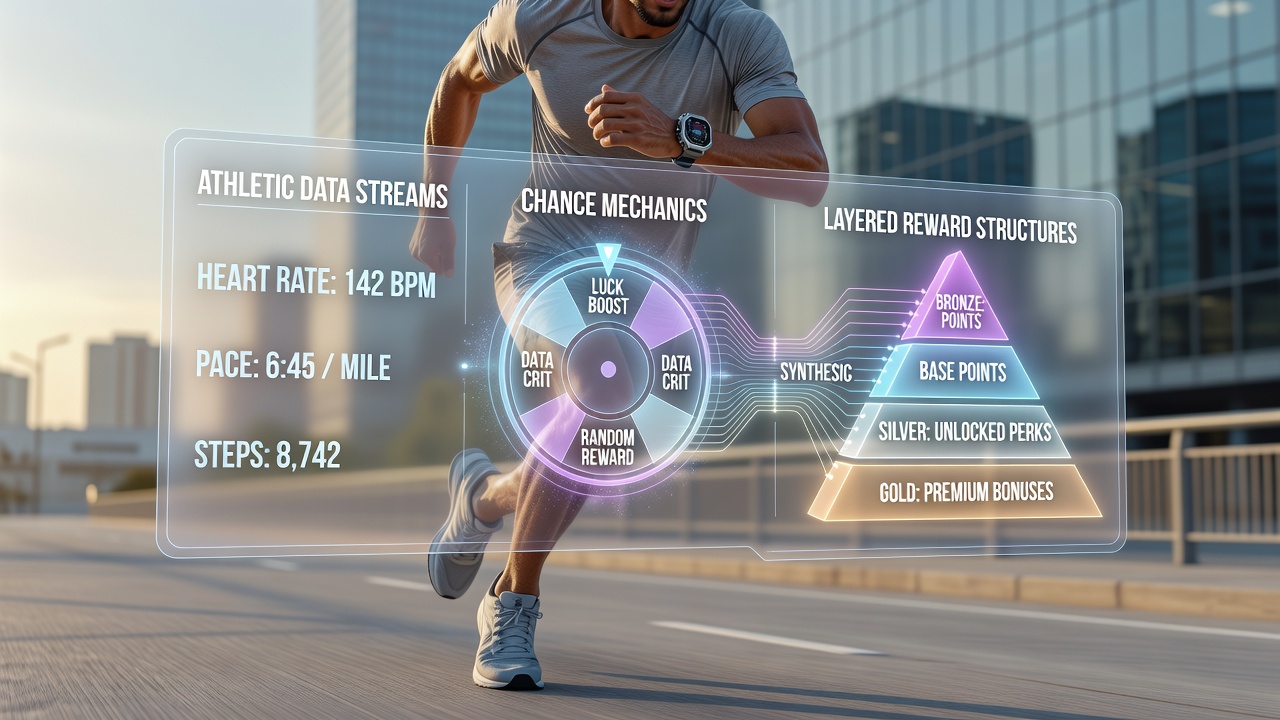
Chance mechanics function by introducing controlled randomness into otherwise deterministic training loops so that users receive unpredictable yet bounded rewards tied directly to their uploaded data streams. For example, a runner who completes a threshold distance might trigger a random multiplier drawn from a weighted distribution that amplifies accumulated points or grants access to exclusive challenge tiers. Industry reports from the Global Sports Technology Alliance indicate that applications employing these mechanics have seen adoption rates climb steadily through early 2026 with particular growth noted in June when several major platforms released seasonal event modules combining live event data from professional matches with user-generated athletic inputs.
Layered Reward Architectures and User Progression
Reward structures typically operate across multiple simultaneous layers where base-level achievements grant immediate micro-rewards while higher tiers unlock through cumulative probabilistic successes. Observers note that these architectures often mirror progression systems found in simulation software yet remain anchored in verifiable physical activity metrics rather than simulated environments. Data compiled by the Australian Institute of Sport reveals that participants in programs featuring five or more reward layers demonstrated sustained usage patterns extending beyond six months with measurable improvements in metrics such as weekly training volume and consistency scores.
Integration occurs through application programming interfaces that allow athletic data streams to influence the probability tables governing reward distribution. Developers adjust weighting coefficients so that higher-performing users receive slightly elevated odds within defined ranges thereby maintaining fairness while preserving the element of uncertainty. This approach has been examined in peer-reviewed work published by the European Journal of Sport Science which highlighted case examples from Canadian collegiate programs where layered incentives correlated with improved adherence rates among varsity athletes during the 2025-2026 season.
Implementation Examples Across Platforms
Multiple commercial platforms have deployed these combined systems at scale. One widely adopted application processes accelerometer and gyroscope data from wrist-worn devices to feed into daily randomized goal generators that award tiered badges upon completion. Another service aggregates team-based athletic statistics from wearable networks and applies chance mechanics to distribute collective rewards among participants according to individual contribution percentages. Those who have examined adoption trends report that June 2026 saw several updates incorporating real-time synchronization with external event data such as marathon timing feeds thereby expanding the scope of available chance triggers.
Technical Considerations for Seamless Merging
Developers face the task of ensuring low-latency data pipelines so that athletic streams update reward probabilities without perceptible delay. Cloud infrastructure handles the bulk of probabilistic calculations while edge processing on portable devices manages initial filtering of sensor inputs. Security protocols encrypt biometric streams during transmission to prevent unauthorized access to performance histories that might influence reward eligibility. Standards bodies including the International Sports Engineering Association have issued guidelines in 2026 recommending encryption thresholds and audit procedures for any application combining live data with chance-based elements.
Future Trajectories in Portable Integration
Continued refinement of sensor accuracy and algorithmic sophistication points toward deeper fusion of athletic data streams with dynamic chance mechanics. Emerging prototypes tested at research facilities in Scandinavia incorporate predictive modeling that anticipates performance plateaus and adjusts reward layer probabilities accordingly. These developments build upon existing frameworks already operating in consumer markets and maintain strict separation between performance verification and reward randomization to preserve system integrity.
Conclusion
Portable technology continues to evolve methods for merging continuous athletic data collection with chance-driven mechanics and structured multi-layer rewards creating integrated experiences that link physical metrics directly to variable outcomes and progressive incentives. Evidence from academic and industry sources demonstrates measurable engagement patterns and performance correlations across diverse user groups. As platforms release updates through 2026 these systems are positioned to expand further while adhering to established technical and ethical parameters.