10 Jul 2026
Integrated Pathways: Loyalty Systems Linked to Compliance Controls in Slots, Tables, and Betting Markets
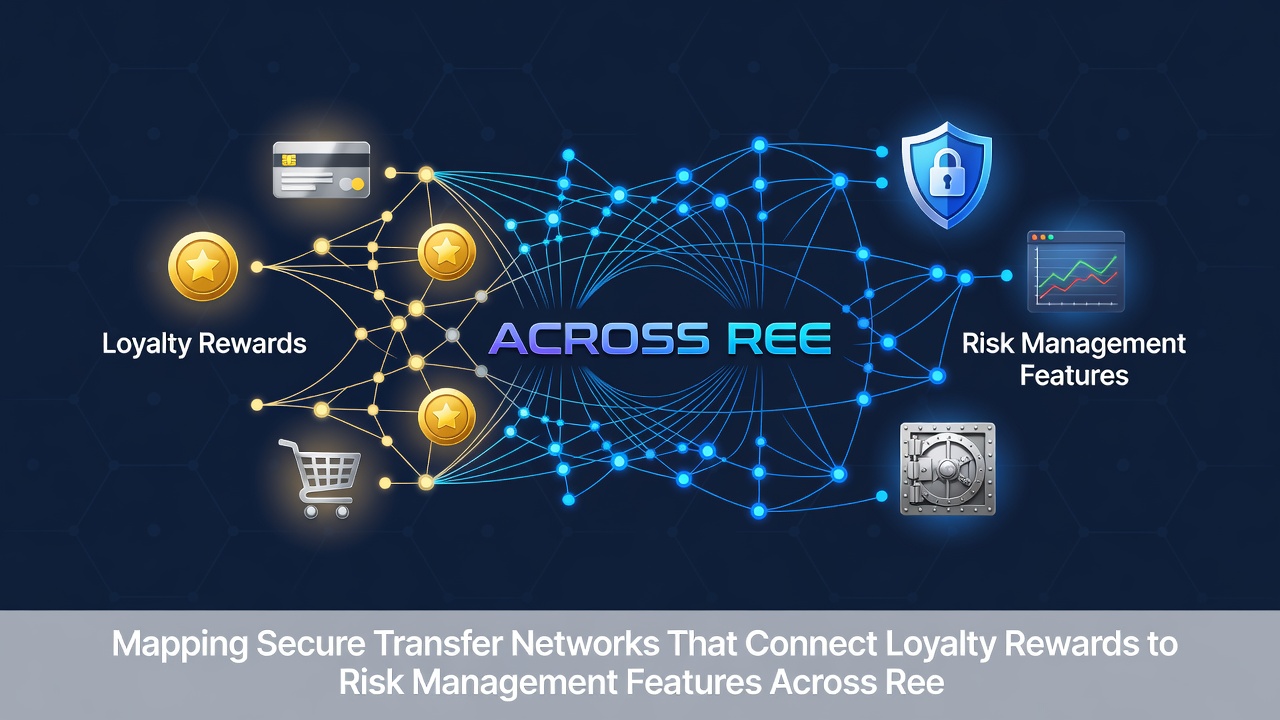
 Secure transfer networks form the backbone of modern gaming operations where loyalty rewards connect directly to risk management protocols. These systems route player data between reward accumulation points and compliance checkpoints across slot machines, live dealer environments, and sports wagering platforms. Data flows through encrypted channels that allow real-time updates to player profiles while maintaining separation between promotional incentives and mandatory safeguards. Operators deploy application programming interfaces that standardize how loyalty points convert into eligibility flags for responsible play tools. When a player reaches a reward threshold on reel spins, the network triggers an automated check against deposit limit histories or session duration records. The same architecture applies when table game participants earn comps, routing information to exclusion databases without interrupting gameplay flow.
Data Architecture Across Gaming Formats
Slot machine networks process high volumes of micro-transactions where loyalty tiers update every few spins. Risk management modules receive these updates through secure sockets that log both reward credits and any concurrent limit breaches. Live dealer tables operate on slightly different cycles because hand durations vary, yet the underlying transfer protocols remain consistent; each comp earned during a blackjack session or roulette round passes through the same validation layer before crediting the player's account.
Wager markets add another dimension because betting activity often occurs across multiple events within short time windows. The networks aggregate stake data alongside loyalty accruals, then feed combined metrics into algorithms that flag potential risk patterns. Observers note that this unified approach reduces latency between reward issuance and compliance intervention compared with legacy siloed systems.
Encryption and Verification Standards
Transport layer security protocols protect every data packet moving between loyalty engines and risk assessment servers. Tokenization replaces sensitive account identifiers during transit, while digital signatures verify that reward adjustments originate from authorized gaming terminals. In July 2026 several North American jurisdictions began requiring operators to submit audit logs demonstrating that these verification steps complete within 200 milliseconds for every transaction involving loyalty balances.
Third-party testing laboratories evaluate these networks against standards developed by the Nevada Gaming Control Board. The evaluations examine both the integrity of reward transfers and the reliability of automatic pauses triggered when risk thresholds activate. Results from these assessments feed into operator licensing renewals across multiple states.
Cross-Platform Integration Examples
One operator in the Canadian province of Ontario implemented a unified ledger that synchronizes loyalty points earned on mobile slot sessions with table game comps and sports bet accumulations. The system automatically applies time-out periods when aggregate play metrics exceed parameters stored in the risk module. According to reports from the Alcohol and Gaming Commission of Ontario, similar architectures now appear in licensing applications filed during the first half of 2026.
Academic researchers at the University of Nevada, Reno examined transaction logs from several properties and found that integrated networks reduced the average time between reward credit and risk flag activation from 47 seconds to under 9 seconds. Their analysis covered both land-based terminals and remote access points, confirming consistent performance across reel spins, dealer tables, and wager markets.
Future Protocol Developments
Industry working groups continue refining message formats that allow loyalty platforms to share anonymized risk indicators without exposing individual account details. These developments focus on maintaining player privacy while enabling operators to apply consistent safeguards regardless of game type. Testing of revised protocols is scheduled to expand through late 2026, with initial deployments already visible in select European markets that adopted comparable standards earlier in the decade.
Conclusion
Secure transfer networks now serve as the primary mechanism linking loyalty incentives to risk management functions throughout the gaming sector. The same data pathways operate whether players accumulate points on slot reels, earn comps at dealer tables, or build rewards through wager markets. Continued refinement of encryption standards and verification procedures supports regulatory compliance while preserving operational continuity across all three verticals.