19 Jun 2026
Incentive Mapping in Hybrid Mobile Wagering: Connecting Loyalty Programs to Progressive Prize Pools
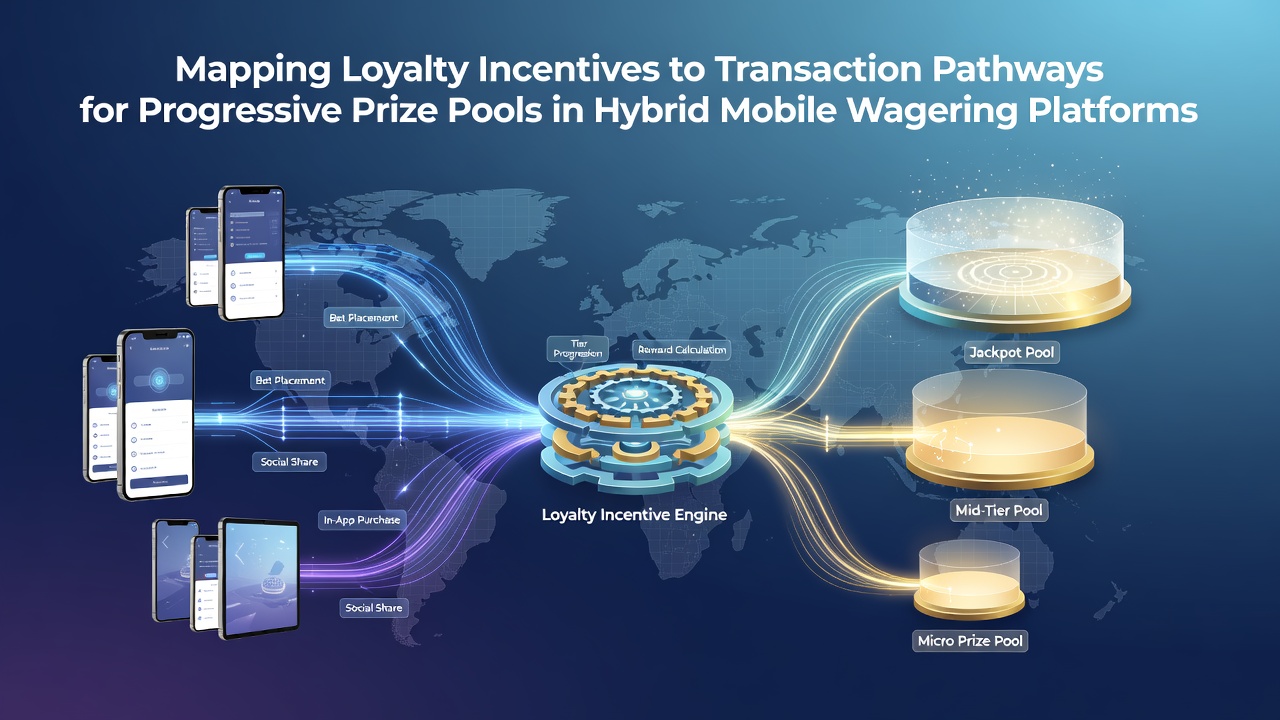
Hybrid mobile wagering platforms combine sports betting with casino elements such as slots and live dealer tables, and they route player activity through unified transaction systems that feed directly into progressive prize pools. Loyalty incentives sit at the center of these systems because they assign points or multipliers at each deposit, wager, and cashout stage, which in turn determines how much of each transaction contributes to the growing jackpot.
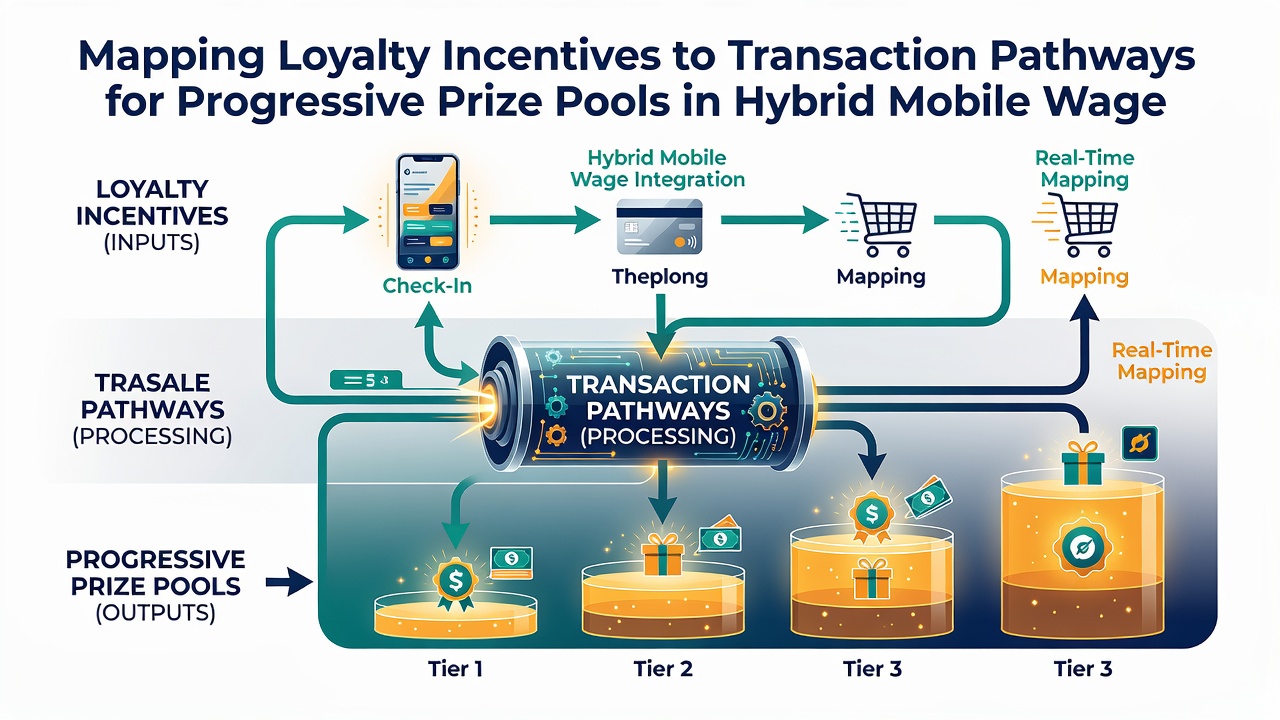
Transaction pathways begin with a verified deposit that triggers an immediate loyalty tier assessment, after which the platform calculates a contribution percentage that moves a portion of the wager into the progressive pool. Observers note that these calculations rely on real-time data feeds from both the sportsbook ledger and the casino game server, ensuring that every eligible bet increments the pool without separate manual intervention.
Core Components of Loyalty-to-Transaction Mapping
Mapping starts with a rules engine that tags each player action with metadata including game type, stake size, and loyalty tier. When a user places a sports bet or spins a slot, the engine cross-references the action against predefined contribution tables that list exact percentages allocated to the progressive pool. Researchers at several gaming analytics firms have documented that these tables update nightly to reflect regulatory changes or promotional calendars, yet the core mapping logic remains stable across platforms.
Hybrid environments require additional logic because a single account can switch between sports and casino verticals within minutes. The mapping layer therefore maintains a session-level ledger that records the sequence of vertical switches, allowing the system to apply different contribution rates depending on whether the current activity is a live dealer hand or an in-play football wager. Data from industry reports shows this sequential tagging prevents double-counting while still capturing the full value of multi-vertical sessions.
Progressive Pool Mechanics and Contribution Thresholds
Progressive prize pools accumulate through micro-contributions that range from 0.5 percent to 3 percent of each qualifying wager. The mapping process identifies which wagers qualify by checking loyalty tier status, game category, and promotional flags attached to the transaction. Once flagged, the contribution amount routes through a dedicated settlement queue that batches entries every fifteen seconds before updating the visible jackpot total displayed on mobile screens.
Platforms operating in multiple jurisdictions must reconcile these contribution rules against local prize pool regulations. One study published by the University of Nevada, Reno examined how North American operators adjust their mapping parameters when prize pool rules differ between states, revealing that automated rule sets can apply jurisdiction-specific overrides without interrupting the mobile user experience.
Security and Audit Trails in Incentive Pathways
Every mapped transaction generates an immutable log entry that includes timestamp, player identifier, wager amount, contribution percentage, and destination pool reference. Regulators in several regions require these logs to be stored for a minimum of five years, and operators often integrate third-party audit tools that sample the logs daily to verify mapping accuracy. The Canadian Gaming Association has published guidelines that emphasize the need for cryptographic hashing of these records so that any retroactive alteration becomes immediately detectable.
Hybrid platforms add another layer by synchronizing logs across sportsbook and casino databases in near real time. When a loyalty reward is redeemed for bonus funds, the system records both the reward issuance and the subsequent wager that consumes those funds, ensuring the progressive pool receives the correct contribution even when the original stake originated from a loyalty credit rather than a cash deposit.
Integration with External Data Sources
Some platforms now incorporate external sports data streams to adjust loyalty multipliers dynamically. For instance, a high-profile match may trigger temporary boosts that increase the contribution rate for bets placed during the event. The mapping engine receives these external signals through secure APIs and applies them only after confirming the data source against a pre-approved whitelist maintained by the operator's compliance team.
Academic papers from the University of Sydney's gambling research unit have explored how such external triggers affect prize pool growth rates, noting that short-term multiplier events can accelerate pool accumulation by 12 to 18 percent during peak sporting periods without altering the underlying loyalty tier structure.
Conclusion
The mapping of loyalty incentives to transaction pathways forms the operational backbone of progressive prize pools in hybrid mobile wagering platforms. By tagging each action with precise metadata and routing contributions through automated settlement queues, operators maintain accurate pool growth while satisfying both technical and regulatory requirements. Continued refinement of these mapping layers supports the expanding range of games and bet types available on a single mobile account.