29 Jul 2026
Dynamics of Incentives and Safeguards in Mobile Wagering Applications
Portable wagering applications combine reward systems with protection tools through shared data architectures that track user activity across sessions, and this integration allows operators to deliver personalized incentives while enforcing limits set by players or regulatory requirements. Systems record deposit patterns, wager volumes, and session durations in unified databases, which feed both loyalty calculations and risk alerts without requiring separate data pipelines.
Reward Structures and Their Data Foundations
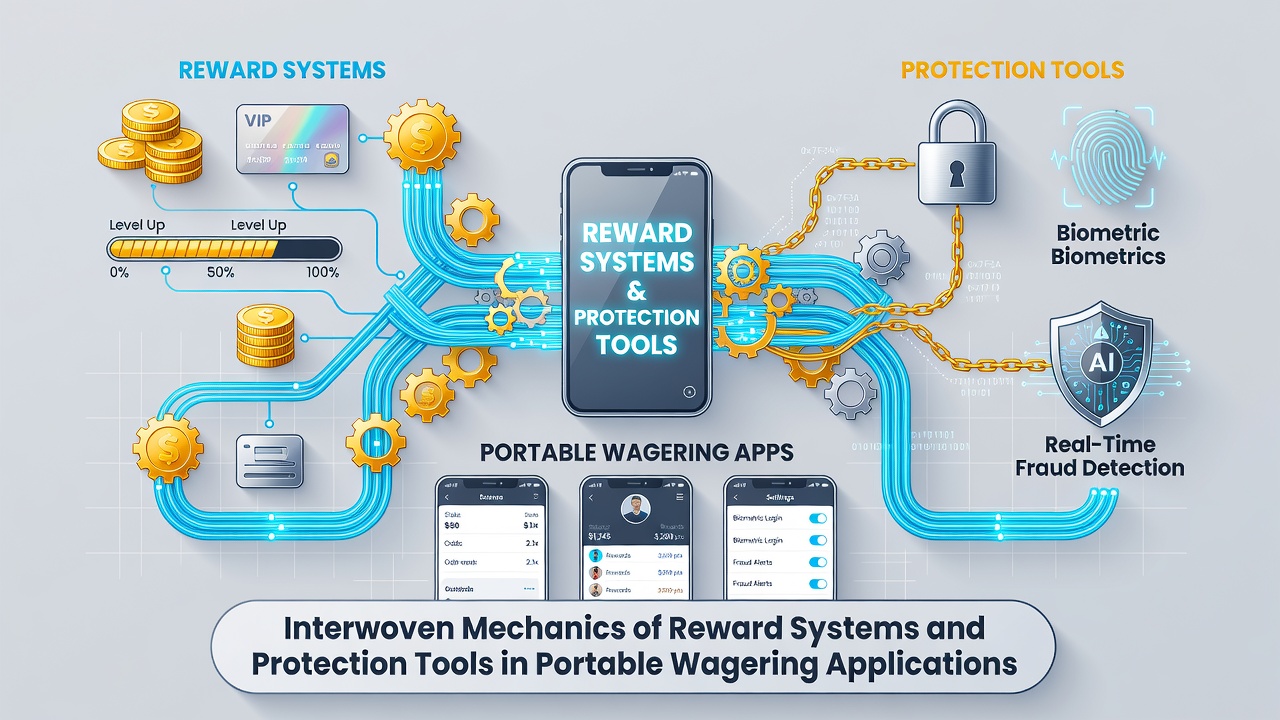
Operators build reward programs around points accumulated from bets placed, deposits made, and games played, with tiers granting access to cashback percentages, free spins, or enhanced odds on specific events. These programs pull from the same activity logs that protection tools monitor for unusual spikes in frequency or amount, creating overlap where a player nearing a deposit limit receives adjusted bonus offers that respect the cap. Data shows that platforms using single-source tracking reduce redundant notifications, and users encounter fewer interruptions when thresholds activate.
Protection Mechanisms Embedded in App Code
Protection tools include deposit ceilings, loss limits, reality checks that pause play at set intervals, and self-exclusion periods ranging from 24 hours to permanent. Developers code these features to read the same transaction streams that calculate VIP progress, so a user who sets a weekly deposit limit automatically sees reward progress bars adjusted to exclude amounts above that threshold. Application stores and device permissions further gate access to location or contact data that some tools use to verify identity during exclusion requests.
Shared Algorithms Linking Incentives to Controls
Algorithms evaluate both reward eligibility and risk indicators in parallel loops, and when a player qualifies for a bonus the system cross-checks against current limits before crediting the award. One common pattern routes bonus funds through a separate wallet that remains unavailable for withdrawal until wagering requirements complete, while protection modules can freeze the same wallet during a cooling-off period. Observers note that this dual-purpose design appears in multiple commercial platforms where loyalty points convert to credits only after the user confirms they remain within personal spending boundaries.
Researchers at the University of Nevada, Reno have documented cases where integrated dashboards display both accumulated rewards and remaining limit headroom on the same screen, reducing the steps needed to monitor both elements. In July 2026 several major providers rolled out updates that let users toggle reward visibility based on protection settings, allowing those in self-exclusion to hide promotional banners entirely.
Implementation Across Different Jurisdictions
Regulatory bodies outside the United Kingdom enforce similar integration standards, and the New Jersey Division of Gaming Enforcement requires that any promotional credit respect player-imposed limits before issuance. Australian state regulators apply comparable rules through the Australian Communications and Media Authority framework, which audits app code for simultaneous handling of loyalty data and harm-minimization flags. These rules push developers to maintain audit logs that capture both reward triggers and protection activations within single timestamped entries.
Technical Challenges and Solutions Observed
Latency arises when reward calculations and limit checks compete for processing resources during peak hours, yet developers address this by queuing non-critical reward updates behind real-time protection verifications. Edge cases surface when network interruptions occur mid-session, and platforms resolve them through local storage that syncs protection status first upon reconnection. Case studies from platform audits reveal that apps using modular code libraries for these functions achieve faster certification because each module undergoes independent testing before final assembly.
Conclusion
Portable wagering applications maintain reward systems and protection tools through shared data flows and parallel processing routines that keep both functions aligned without separate user intervention. The architecture supports compliance across multiple regions while delivering incentives that automatically respect user-defined boundaries, and ongoing code refinements continue to tighten the connection between these two operational layers.